FAQs
-
The Antioch Connection is a network of autonomous Wesleyan churches, united by a shared mission, core beliefs, and commitment to mutual support. It is not a denomination but a voluntary connection centered around doctrine, discipleship, and partnership.
-
Member churches benefit from shared theological grounding, leadership development and ordination support, ministry collaboration, mutual prayer, encouragement, and accountability.
-
Yes. Each member church retains full ownership of its property, control over finances, freedom in hiring, ministry programming, and worship style, etc.
-
Yes, each church pays annual dues. The tiered system is based on annual budget. There are no apportionments or hidden fees.
-
The Connection’s beliefs are outlined in its Confession of Faith, which affirms historic Wesleyan theology, the authority of Scripture, the Doctrine of the Trinity, salvation by grace, and a commitment to holiness of heart and life.
-
Marriage is defined as a covenant between one man and one woman. Singleness is honored as a valid Christian calling. Human life is sacred from conception to natural death. Sexuality is to be expressed within the covenant of marriage. Scripture is the final authority in matters of faith and salvation.
-
Each church sends two representatives (one elder, one deacon) to serve on the Connectional Council, which meets annually and as needed to guide the network. No matter the size of the local church, every church in the Connection has equal voice and vote. An executive team of Pres., VP, Sect., and Treas. was elected at the Annual Gathering.
-
Ordained elders, deacons (lay members), and local churches commit to shared doctrinal and ethical standards. When needed, the Connection will offer support, guidance, and—if necessary— disciplinary processes outlined in the governing documents.
-
Yes. A church may withdraw from the Connection at any time by submitting written notice. There are no penalties, trust clauses, or property claims.
-
The church must apply to the Connectional Council for membership in the Connection in writing. The application includes key identifying information about the church, a copy of its governing documents (by-laws), documentation demonstrating the authority and approval of the church to seek membership in the Connection, and an affirmation to abide by the Confession of Faith.
-
Yes. Following the pattern of the early church, deacons are lay people who are “full of the Holy Spirit and wisdom” (Acts 6:3) and are given spiritual authority for service in a member church. Member churches have the authority to commission any of their lay people as deacons in their local congregation. Deacons can represent your church at gatherings and participate in Connectional ministry teams.
-
Churches that join are expected to uphold the Confession of Faith, participate in the Annual Gathering, support the Connection through dues, and encourage collaboration with other churches.
-
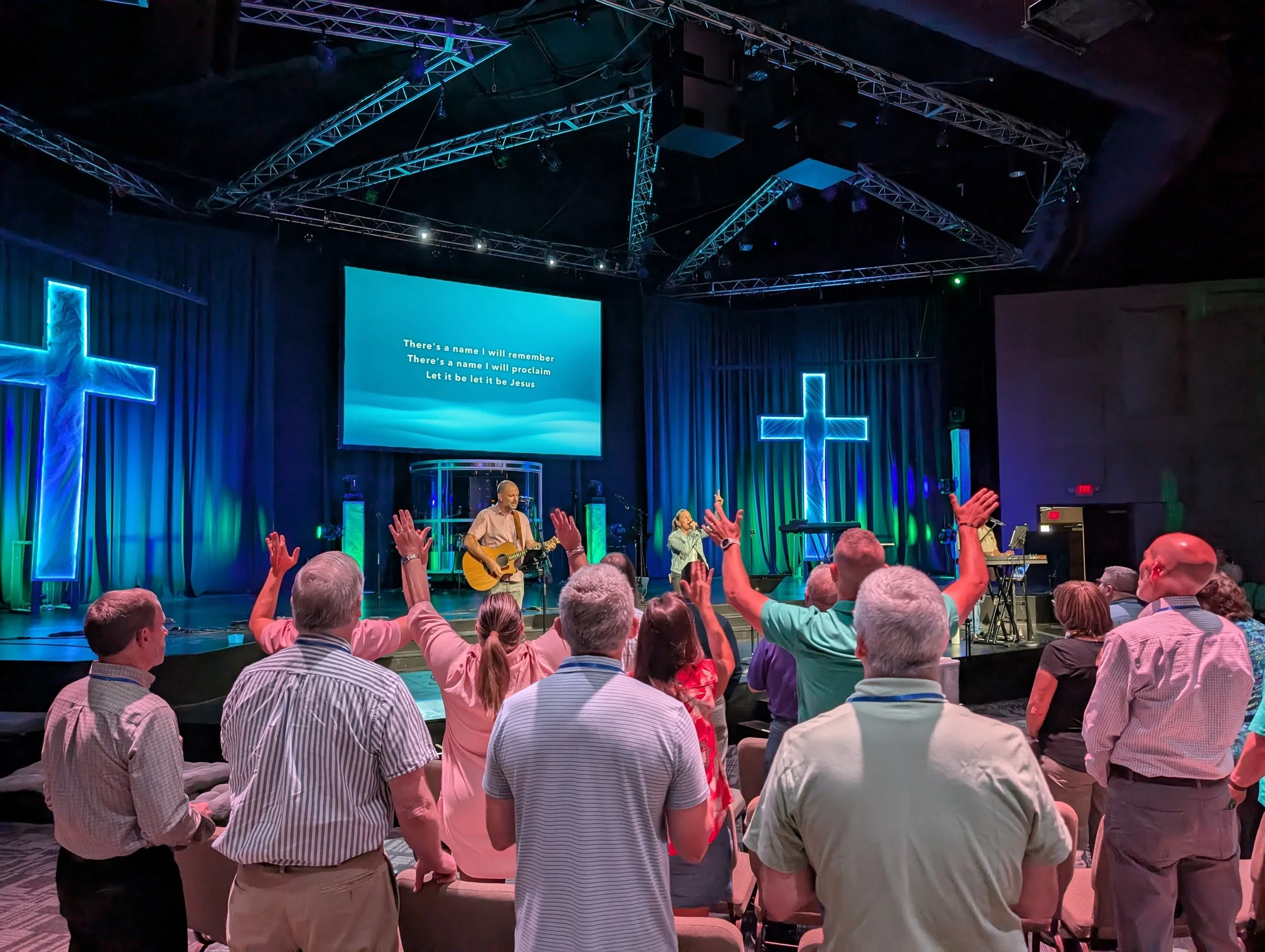
It includes shared worship events, leadership and ministry training, opportunities to collaborate on missions, youth events, church planting, etc., and an annual gathering for the Connection centered on worship, learning, and fellowship.
Annual Dues
Member churches support the Connection through modest annual dues, scaled according to each church’s annual budget.
For the complete dues schedule and payment guidelines, please refer to Section 11.1 of the Antioch Connection Constitution.
Church Membership
Want to know more about joining a community of churches committed to faith, fellowship, and mission? Let us know below and someone will be in contact.
Has your church made the decision to join the Antioch Connection? Great!
Please fill out the application below and send it to jim.cinocca@gmail.com
Ordination Service
Rooted in Scripture and the historic Wesleyan tradition, this service offers a framework for worship, prayer, and the laying on of hands that local churches can adapt to their own context. It’s designed to honor both the individual’s call and the congregation’s role in commissioning them for faithful service.